
All pictures used in this post are used under the Creative Commons license.
Aside from the “authorship question” that plagues Shakespeare studies, the other big question in the literary world is whether you prefer the book or the movie. For most bookworms, the answer will undoubtedly be “book.” There are even T-shirts that proudly proclaim “the book was better.”
In my lifetime, I’ve seen this controversy rage back and forth over Hollywood’s revisionist tendencies. From Peter Jackson’s Lord of the Rings trilogy to his treatment of The Hobbit, and even, more recently, the whispers of controversy surrounding Netflix’s treatment of The Witcher.
Ultimately, the answer is always going to boil down to preference. But, I think too we miss some of the nuance when we reduce the question to and either/or.
Let’s look at what I mean.
Vintage Hollywood thrived on books few have read.
Classic movie fans will tell you this from jump street. Take the Basil Rathbone Sherlock Holmes movies. Most were based on Sir Arthur Conan Doyle’s stories, but there are a couple which were based on the characters.
Then, we have Lew Wallace’s Ben Hur. Originally a novel published in 1880, Ben Hur has been turned into a movie three times. The most famous (and best, in my opinion) has Charlton Heston as the hapless Judah Ben Hur and until Titanic, was the move awarded move at the Oscars in Hollywood history. But has anyone read the book?
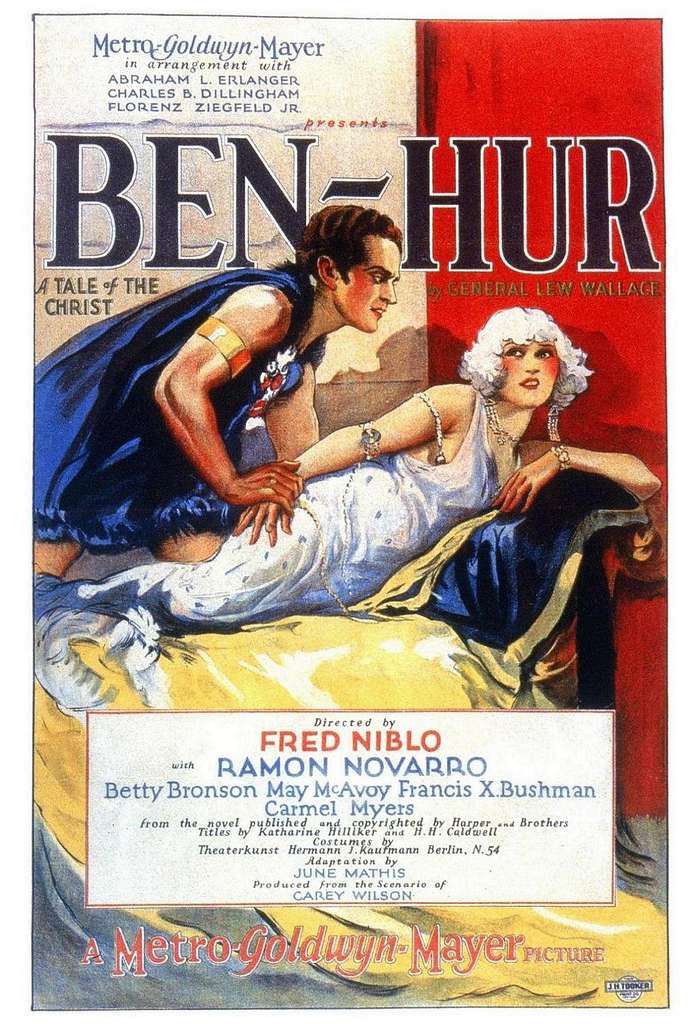
I have, but I’d wager very few others have.
Another one of my favorites, Now, Voyager (1942) was also based on a novel.
Of course, there are also the movies based on the classics nearly everyone has at least heard of. Laurence Olivier largely got his knighthood for his bringing Shakespeare to the movie screen. Rightfully so, too.
What’s the point here? Well, books kept Hollywood in business, especially during the war years and during the days of silent film. So, if you’re tempted to say the movie trumps the book, then think again. More often than not, the movie exists because of the book!
Some books we only know of because they were movies.
If Hollywood is the zeitgeist, it is today because of the books that provided rich fodder for the studios, then the opposite is also true. We only know about some books because they were made into movies.
The Phantom of the Opera (1943) falls into this category, believe it or not. Before Sir Andrew Lloyd Webber turned it into a Broadway spectacular, two movies bases on the 1910 book had been made. One in 1940 with Claude Rains and Nelson Eddy, and another in 1925.
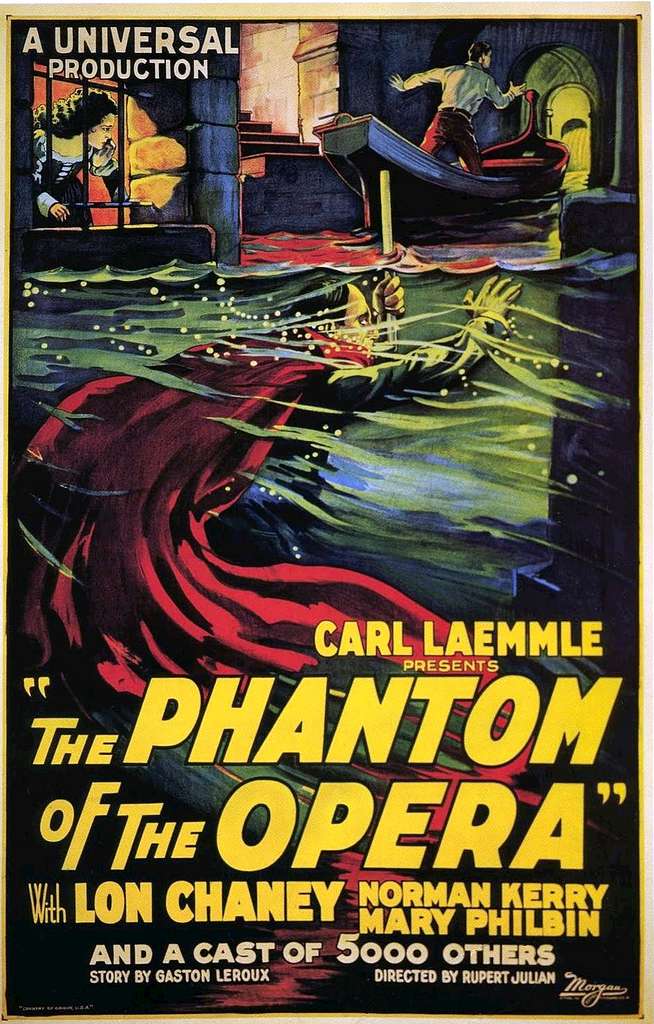
Lew Wallace’s Ben Hur, of course, I’ve already mentioned. But it’s also worth mentioning that it outsold Uncle Tom’s Cabin when it was first plublished in 1880. And, if you like Lucy Ward Montgomery’s Anne Shirley series, it’s mentioned in there too. It’s one of the many classics that distracts Anne from her schoolwork.
But these are things we have already forgotten, and we’d forget Judah Ben Hur’s existence too without the movie.
Even very famous writers like Oscar Wilde have fallen victim to our forgetfulness. We all know The Picture of Dorian Gray, but have you ever heard of The Canterville Ghost? They have also turned this into film versions several times, the first being with Charles Laughton in 1944. Another favorite of mine.
The list goes on. So, if you are a bookworm, consider how many books are out there that you only know because of the movies.
Which came first? The box office hit or the bestseller list?
Hear me out on this one. This past month, I’ve been reviewing and posting on Ian Fleming’s James Bond novels. With mixed results. This was something I expected, however, because the movie version of Fleming’s character is so ingrained in our minds.
Bond is “problematic” and “sexist” largely because of the way Hollywood treated the character. But the books reveal someone quite different. Would we even read Ian Fleming’s novels, however, if the movies didn’t exist?
Given the movies started coming out while Fleming was still alive and publishing, this is an answer we’ll never actually have. However, I will give you this for thought: there was another thriller writer who created a similar character.
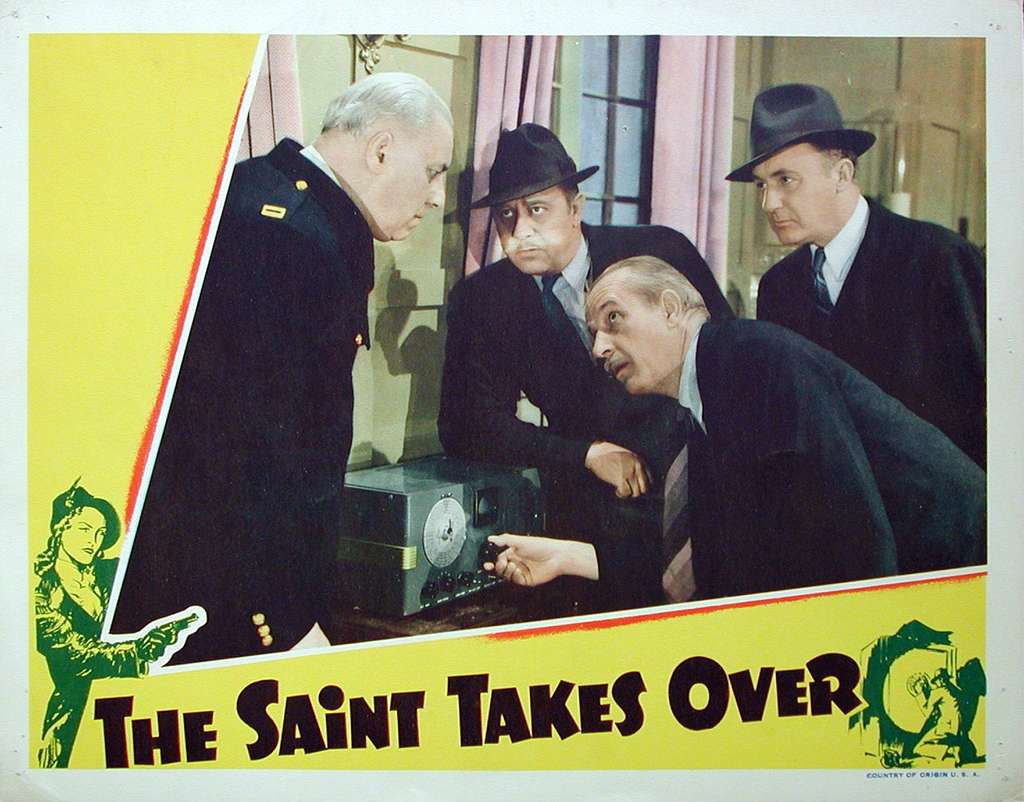
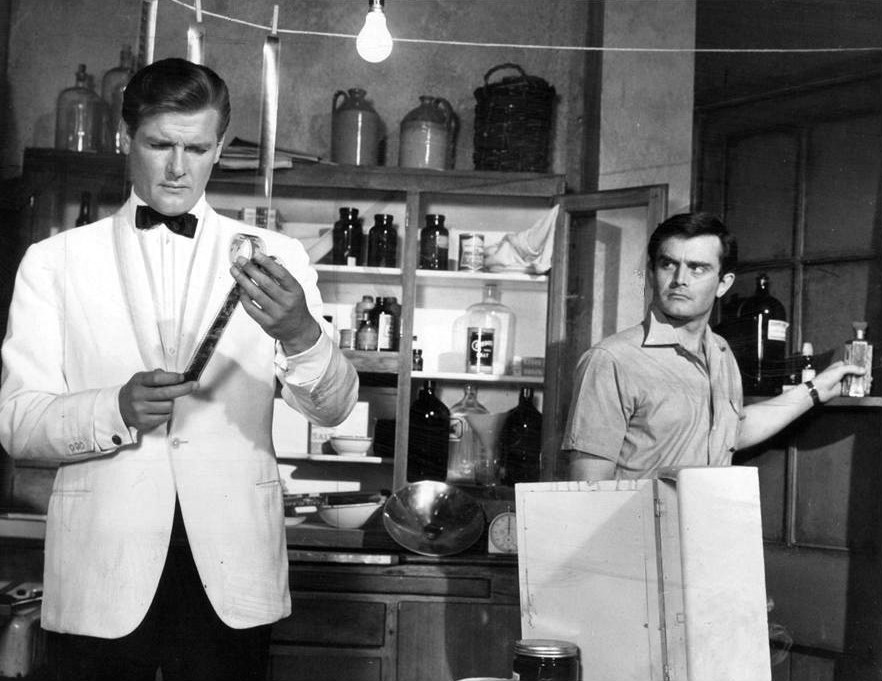
Leslie Charteris wrote a series of books about a character called Simon Templar. We know him as “The Saint.” Ironically, these were the inspiration for a TV series starring Sir Roger Moore–who we know today primarily as James Bond. So why is James Bond such a large figure in popular culture but Simon Templar isn’t?
I would argue a large part of it is the success of the Bond movies.
It’s no secret the movies can increase book sales. There’s a reason Christopher Tolkien started publishing his notes on his father’s work again. And a lot of it is the surge in popularity after Peter Jackson’s movies.
Arguably, “horror” classics like Mary Shelley’s Frankenstein and Bram Stoker’s Dracula also fall into this category. For those two books have not only built Hollywood, but Hollywood has made both of them must-reads for any classic literature fan.
By the way, if you want more on Dracula, make sure you subscribe to the newsletter because the world’s most famous vampire (sorry, Lestat!) will be on the blog in October!
Subscribe to the newsletter!
When movies beget books, the question isn’t as simple.
When George Lucas’ Star Wars: A New Hope (1977) came out, it was a cultural phenomenon. One that had been in the making for a couple of decades. What George Lucas, and most of the cast, couldn’t have known is the dearth of books that resulted from the movies, all loosely based on themes, planets, and history that were the merest of hints.
With the latest trilogy, there are now two different storylines to follow. The Walt Disney/Lucasfilm storyline and the storyline created in the books.
The Alien franchise, itself loosely based on Frankenstein in places, also received it’s own literary treatment.
Is the book always better in these cases? I think that is a point you’ll find debatable.
I would like to point out, however, that most books based on movies will never be classics. The movies that inspired them may, but the books themselves? Well, only time will truly tell.
What’s your conclusion?
I think movies can enhance a book’s enjoyment. If reading isn’t your strong suit, for instance, watching the movie can at least give you an idea of what’s going on.
Are they always accurate? No. But sometimes, in their inaccuracy, you find new aspects you wouldn’t have noticed in the original book. Take the 1940 version of Pride and Prejudice. Accurate to Jane Austen’s novel, it was not. But it kept the spirit and the lightheartedness of the novel, even adding in a bit of mischief which we only see in Austen’s earliest work.
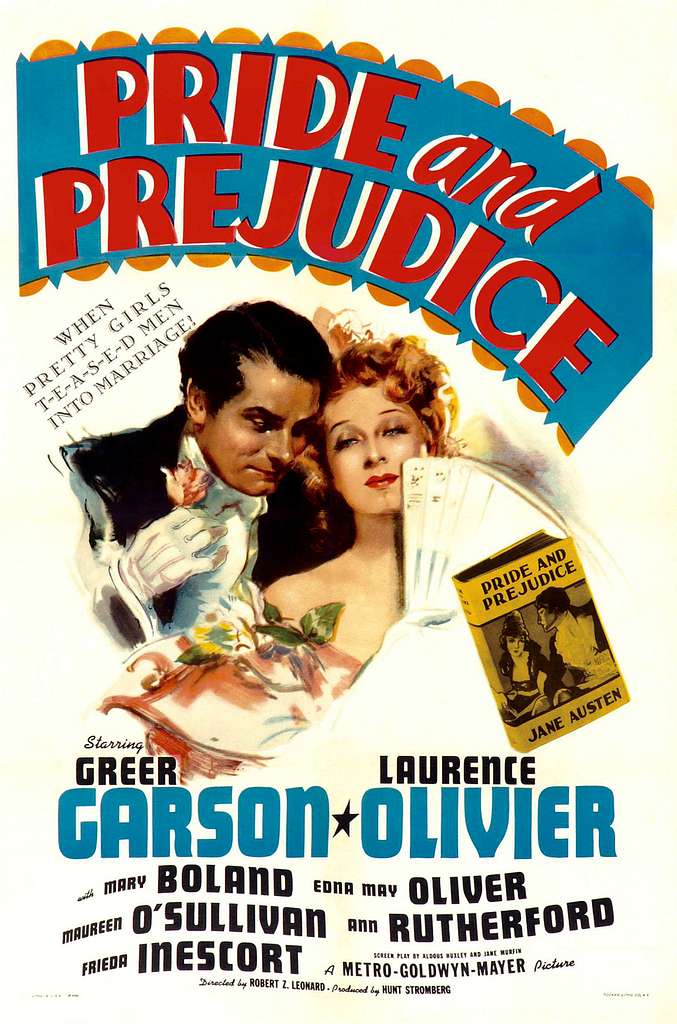
Of course, the 1940 version also had Aldous Huxley as one of the screenwriters. Pair that with Laurence Olivier as the ultimate aloof Mr. Darcy and you have a winning recipe. That, and it had Mary Boland as Mrs. Bennet. If you haven’t yet seen a Mary Boland. you really must. She’s hilarious!
Where I think Hollywood has gotten and will continue to get wrong is when they try to make too much of their own story that isn’t in the book’s spirit. Books can capture more complex subjects like politics, inner thoughts, and history. When writers and showrunner try to imprint their own ideas on those things, then you start coming out with an entirely different storyline and even different characters.
Ultimately, you know when Hollywood has gotten it wrong when reading the book ruins enjoyment of the movie. Or miniseries these days.
This is indeed where I have found myself with the James Bond movies. I tried watching one of the movies again the other day. But having loved the book so much, the movie was less enjoyable. Will I still watch the movies? Yes. They’re good movies, even with the silliness. And it’s fun catching details that were in the books.
But it will always pale compared to the words on the page.
Follow The Eftsoons Writer on Social Media!
Help support both the blog and my fiction writing!
Freelancing is what I do to pay the majority of my bills, but the blog is still a labor of love. If you like classic literature and creativity content, please consider supporting my blogging efforts by donating below.
Everything goes back into the blog somehow, whether that’s another round of books, more coffee, or maintaining the website.
And, as always, please like and refer others to the blog. All it takes for something to be preserved is one person at a time realizing that it’s worth saving.
Make a one-time donation
Make a monthly donation
Make a yearly donation
Choose an amount
Or enter a custom amount
All money donated goes to keeping the posts coming and the website running! Whether that’s enough for a cup of coffee, or for another book to show you, every little bit helps!
Your contribution is appreciated.
Your contribution is appreciated.
DonateDonate monthlyDonate yearlyDiscover more from K. B. Middleton, LLC
Subscribe to get the latest posts sent to your email.

 K. B. Middleton, LLC